Showing posts with label preserving. Show all posts

Sunday, October 23, 2011

Fall Flavors: Fresh Pumpkin

Fall brings with it an insatiable desire to bake treats laced with the warm, comforting flavors of fall.  (Okay, so the urge might be to eat these delicious desserts rather than make them.)  One of the most prominent autumnal flavors is pumpkin.

Somehow every year Libby makes horrifying cries of pumpkin shortages.  You have nightmares of visiting every supermarket in town, searching for pumpkin and imagine Thanksgiving without pumpkin pie, and Christmas without pumpkin roll.  You worry about the cost of pumpkin with supply short and demand high, wondering who will be cut from the Christmas gift list to put pumpkin back on the menu.  Okay so maybe it's not this dramatic, but you can save yourself a lot of headache and stress over pumpkin shortages (and get a better tasting, fresher, and local product) by making your own pumpkin puree.

Roasting pie pumpkins is easier than it sounds.  Trust me.

Selecting Your Pumpkin
Many local farmers markets and have a wonderful selection of pie pumpkins.  Many people use these cute little pumpkins for decoration, but inside lies a sweet, fresh, delicate flesh- perfect for satisfying those fall cravings.

Darker pumpkins that have some speckles on them are sweeter.  If you are not planning to cook your pumpkins soon and intend to store them for a while, check them thoroughly for nicks and soft spots, as this is where rotting will begin.  Don't forget to check the bottom and around the stem.

If you have a cool, dry place such as a fruit cellar or cool garage, you can store whole pie pumpkins. Stored in these conditions they can keep for a while (at room temperature a couple pumpkins lasted about only two weeks on my kitchen counter).  Washing the pumpkins (or any fall squash) before storage can help extend the life of the squash extensively.  My uncle swears by a light bleach solution, saying he has stored squash into the spring and early summer using it (although sources say pumpkins will store for 2-3 months).  The solution should be 1 part bleach to 10 parts water.  And the bonus of this- extra freezer space and pumpkin seeds in the middle of winter!

Roasting Your Pumpkin
Preheat the oven to 375 degrees.  Cut your pumpkin in half, scoop out the seeds and pulp (save the seeds for some awesome cinnamon or spicy pumpkin seeds).

Pour some water onto a baking sheet and place the pumpkin halves with the flesh side down and outter skin facing up.
Bake the pumpkin for an hour or until a knife is easily inserted, meeting little resistance (like making a baked potato).

Pureeing the Pumpkin
Once the pumpkin has cooled enough to handle, peel the skin from the pumpkin and break into chunks.  Drain the pumpkin in a colander, then process the pumpkin in a food processor until smooth.  If the pumpkin is still watery after it sits, skim off the water.


Storing Pumpkin
My grandparents always canned their puree, but there are a lot of variables that go into packing an non-acidic food that can make it unsafe.  However, the puree can be frozen in ziplock bags or containers.

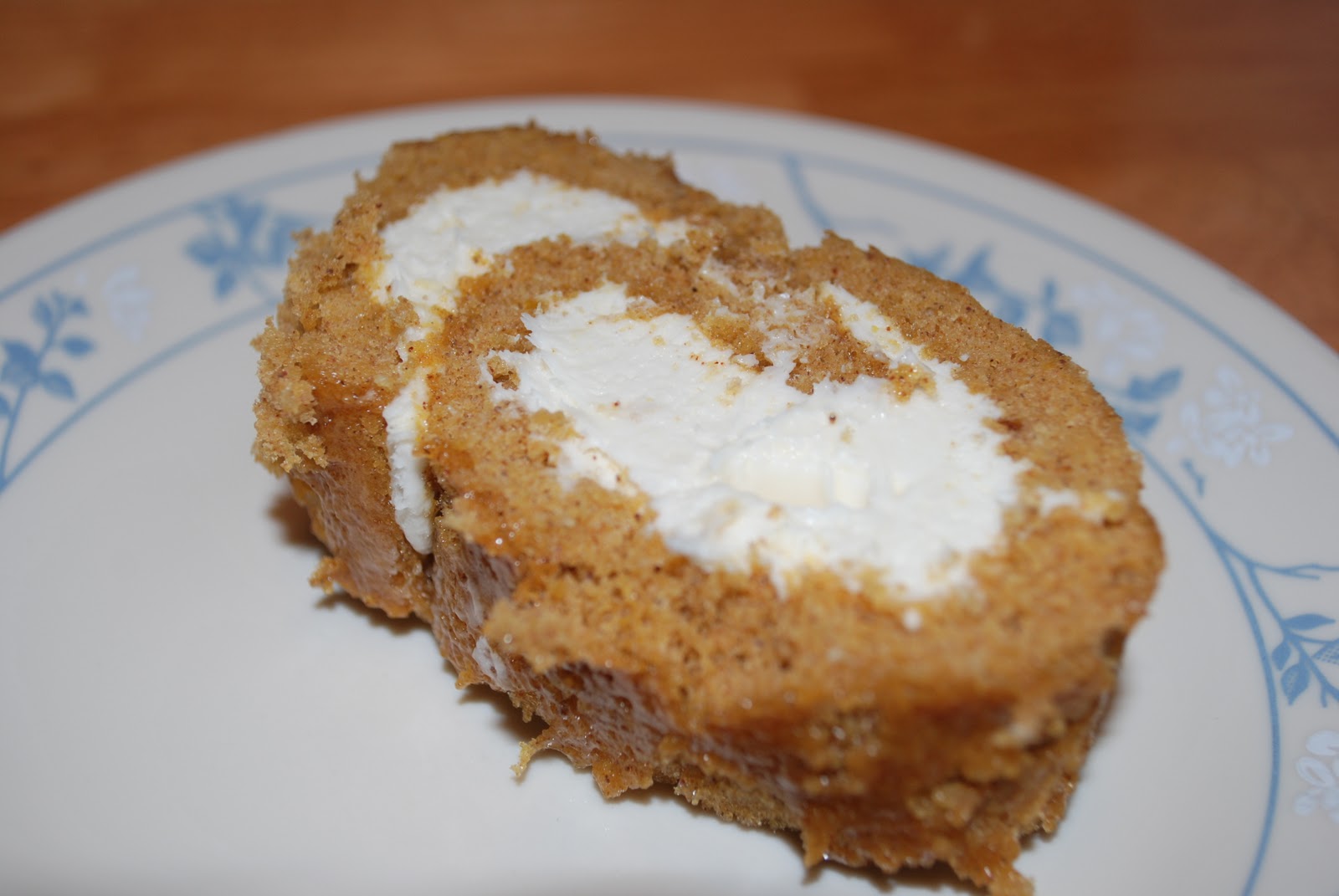
Next....make some cake!  Bake a pie!  Mix up a pumpkin roll!  Cook some pumpkin soup!
Sweet inspiration...


And if tasting this pumpkin and the fresher flavor of your fall favorites isn't enough, the two pumpkins I roasted ($1 each at Molnar Farms) made just over two pounds of puree, bringing the cost of pumpkin to about 6 cents per ounce as compared to Libby's at almost 14 cents per ounce!

What is your favorite pumpkin recipe?

Sunday, June 26, 2011

Saving Summertime

The beginning of summer is my favorite time of year.  Naturally I was originally in love with the season because it meant no school.  Now I am no longer in school and while it means I'm working during many of the hours I used to spend swimming, playing outside, and reading, there is still something that makes me so happy about the summer months aside from the longer days- fresh produce.  Yes, you can buy asparagus all year round and strawberries from March through July at the grocery store, but there's nothing quite like something fresh from the field.

Unfortunately the sweet start of summer is beginning to make way for other delightful feasts and the strawberry season is coming to an end, so I'm making a last minute effort to save every morsel of succulent, sun-ripened goodness that I can.

This weekend I took my niece to pick strawberries at Molnar Farms in Poland, Ohio.  She's two and a half and I wasn't quite sure how long we'd end up being in the field, or if she'd even be interested (I hear stories every year about how I fell asleep in the strawberry patch at a local farm when I was in elementary school), but she thought it was wonderful.  Sure, we picked a few smooshy strawberries and a few that are a little less than ripe.  After about two quarts I asked her how many more strawberries she wanted to pick and she said "one."  We snagged another berry before she changed her mind (clearly she can be a lot like me) and said "a lot!"

Showing off our strawberries.


For the past few years I've commandeered my parents' deep freeze to freeze strawberries (and corn, green beans, peaches, etc, all for other posts I'm sure).  And although strawberries lose their firmness once they are frozen, there's nothing like a little taste of sunshine in the middle of a snowstorm.

I clean and quick freeze my strawberries before putting them in Ziplock bags.

Here are a few things to do with frozen strawberries:
Smoothies
Perhaps my favorite (and my niece's), a fresh smoothie is a simple way to get your fruit and kids think it's a super awesome treat (no one tell them how good it is for them!).  Using frozen fruit replaces the need for ice in a smoothie, making it richer and thicker since it won't melt into water.  To make a smoothie I usually put about 1 cup of yogurt in the bottom of my blender and add about a cup of fruit (usually a banana and frozen strawberries, and sometimes frozen peaches or blueberries-I've even frozen grapes).  This half yogurt half fruit blend gives a smoothie thin enough to drink without a straw but not too watery.  I add more yogurt if I am using all frozen fruit and less if the fruit is fresh.

Frosting
Having some strawberries on hand in the freezer helps to change up frosting recipes.  For a strawberry whipped frosting, I have use a brand called Bettercreme (by Rich's, available at GFS) and some bakeries use a similar whipped frosting and are willing to sell it.  I simply put thawed strawberries in my mixer with the whip attachment and mix them for about a minute on low to medium speed to break up the berries.  Then simply add the mix and whip until it's the consistency you wish to use it.

A similar approach can be used for a shortening-based buttercream- make as usual but in place of the water add some thawed and mashed strawberries (and juice).

Jam
If you don't have time to make your jam now, you can freeze the strawberries and make freezer jam (such as this recipe http://allrecipes.com/Recipe/strawberry-freezer-jam/detail.aspx) later when you have time.

Some other things to make with frozen strawberries:
Strawberry Daquiris/Margaritas
Pie
Cheesecake
Punch (acts as ice too!)
Cobbler
Ice Cream or Milkshakes